
Puncher
A hole puncher is one of those things every office needs but most people only think about when the cheap one finally gives up. If you’re punching a few sheets here and there, a basic desktop puncher does the job fine. But if you’re processing stacks of documents daily — contracts, reports, filing batches — you need something built for the volume. The wrong puncher for the job means bent pins, jammed paper, and sore hands.
For high-volume professional environments, the New Kon electric punchers — PN-11E, PN-12E, PN-27E , and PN-50E — automate the punching process entirely, handling thick stacks at the press of a button with no manual effort.
Browse by Category: Binder | Laminator | Cheque Writer | Paper Shredder | Typewriter | Time Attendance Machine | Paper Cutter | Paper Drilling Machine | Puncher | Stapler | Perforator | Franking Machine | Printer | Scanner | Walkie Talkie | Air Purifier
Browse by Tags: 2 Hole Puncher | 3 Hole Puncher | 4 Hole Puncher | Comb Binder | Electric Puncher | Manual Binder | Manual Comb Binder | Manual Puncher
Showing all 16 resultsSorted by price: low to high
-
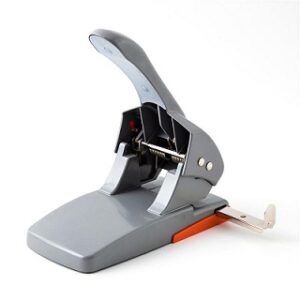
Rapid HDC65 Heavy Duty Hole Puncher
RM199.00 Add to cart -
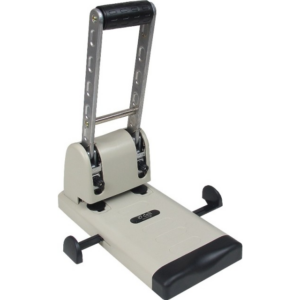
Deli 0130 2 hole Puncher
RM220.00 Add to cart -
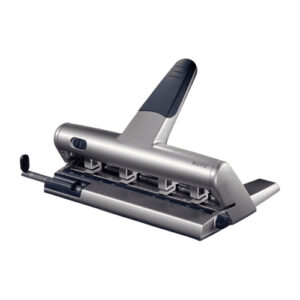
LEITZ 5114 AKTO Multiple Hole Punch
RM400.00 Read more -
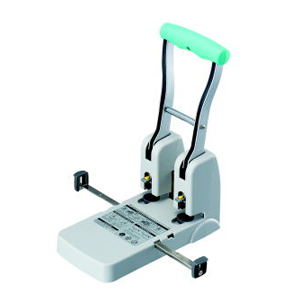
New Kon P-10 2 Hole Puncher
RM545.00 Add to cart -
New Kon P-15 2 Hole Puncher
RM700.00 Add to cart -
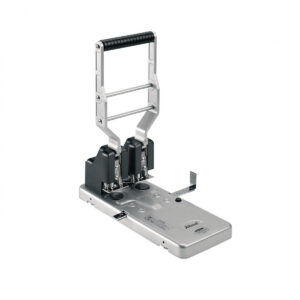
Rexel HD2150 2 Hole Puncher
RM735.00 Add to cart -
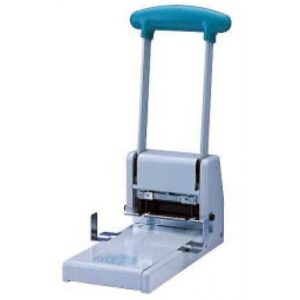
New Kon PN-3 2 Hole Puncher
RM835.00 Add to cart -
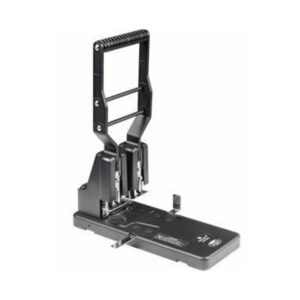
Rexel HD2300 2 Hole Puncher
RM850.00 Add to cart -
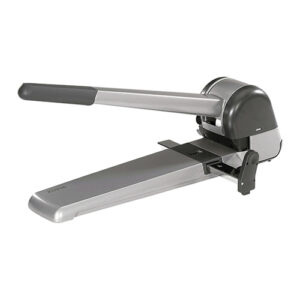
LEITZ 5182 Super Hole Punch ( 2 Hole )
RM850.00 Read more -
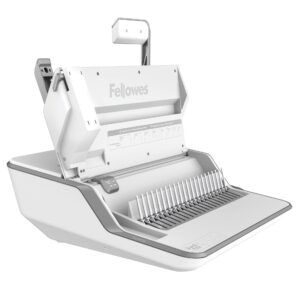
Fellowes Lyra™ 3-in-1 Manual Comb Binding Center (Comb Bind + Staple + Hole Punch)
RM1,190.00 Add to cart -
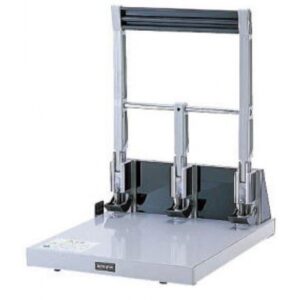
New Kon 48-3H Manual Puncher (3 hole)
RM1,300.00 Add to cart -
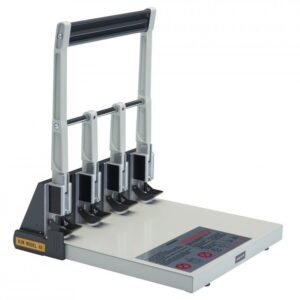
New Kon 48-4H Manual Puncher (4 hole)
RM1,400.00 Add to cart -
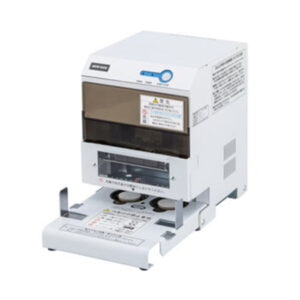
New Kon PN-27E Electric 2 Hole Puncher
RM4,100.00 Read more -
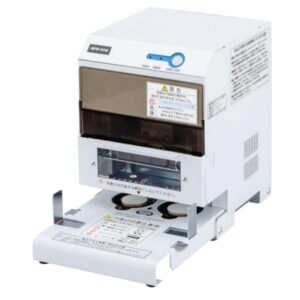
New Kon PN-50E 2 Hole Electric Puncher
RM7,100.00 Read more -
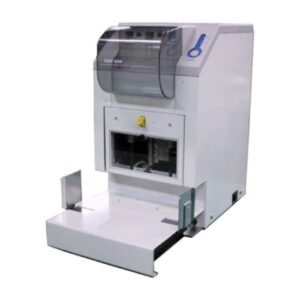
New Kon PN-12E Electic puncher
Read more -
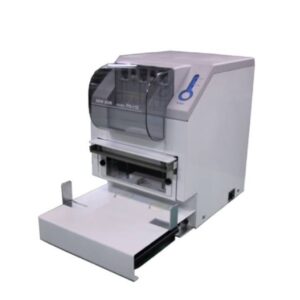
New Kon PN-11E Electic puncher
Read more
Frequently Asked Questions — Hole Puncher Malaysia
What is the difference between a desktop puncher and a heavy-duty puncher?
A desktop puncher (like the Rapid HDC65 or Deli 0130) is designed for light daily use — punching 5 to 10 sheets at a time for personal or small office filing. They are compact, affordable, and perfectly adequate for low-volume needs. A heavy-duty puncher (like the New Kon P-10, Rexel HD2150, or Leitz 5182) is built for much larger sheet capacities per punch — typically 40 to 150+ sheets in a single press depending on the model. If your office regularly punches thick batches of documents for filing, a heavy-duty model saves time and effort and will last significantly longer than a light desktop unit under the same workload.
What is the difference between a 2-hole, 3-hole, and 4-hole puncher?
The number of holes refers to how many holes are punched per sheet in a single press, and it must match the filing system you are using. 2-hole punchers are the standard in Malaysia — used with ring files, arch files, and most standard binders. 3-hole punchers are used with 3-ring binders (more common in the US but used in some local organisations). 4-hole punchers are used with 4-ring binders and lever arch files that use a 4-hole mechanism. Always confirm your binder's hole pattern before purchasing a puncher — the hole spacing must match.
When should I consider an electric hole puncher?
An electric puncher makes sense when your team is punching large volumes of documents regularly — for example, a busy accounts department processing invoices and contracts daily, a legal firm filing case documents, or any office that does end-of-month bulk document filing. The New Kon electric range (PN-11E, PN-12E, PN-27E, PN-50E) handles thick stacks automatically at the touch of a button, removing the physical effort entirely and punching much faster than manual operation. For occasional punching of small batches, a good heavy-duty manual puncher is sufficient and significantly more affordable.
What does the sheet capacity on a hole puncher mean?
Sheet capacity refers to the maximum number of sheets (typically 80gsm paper) the puncher can punch cleanly in a single press. Exceeding this limit causes the pins to struggle, produces ragged holes, and puts unnecessary strain on the mechanism — shortening the machine's lifespan. Always stay within the rated capacity. If you frequently punch at or near the maximum, consider stepping up to the next model with a higher capacity rather than overloading a lower-rated unit.