WOW Supplies Sdn. Bhd. (formerly WengSeng OA Sales & Services)
Digital Lock Safe
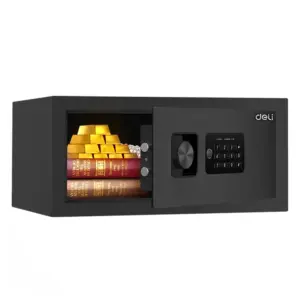
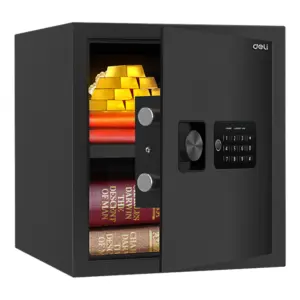
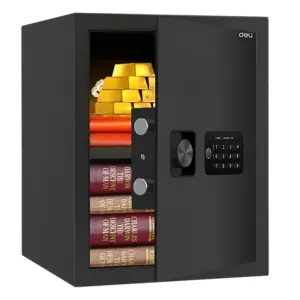
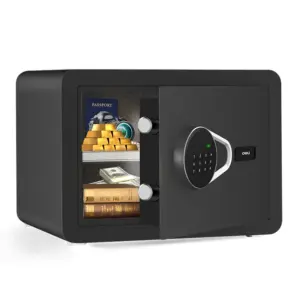
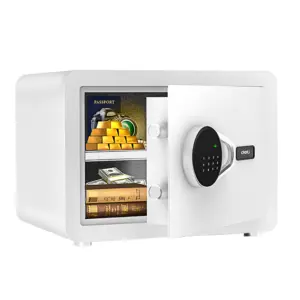
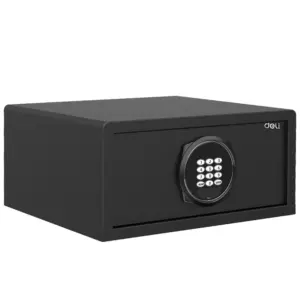
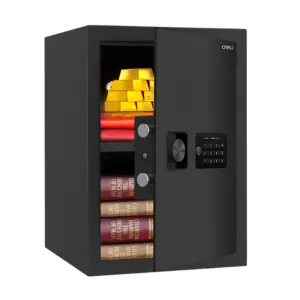
A digital lock safe opens with a PIN code entered on an electronic keypad — fast, straightforward, and easy to change whenever you need to. No keys to lose, no dial to spin through multiple rotations. For homes and offices that need frequent access to the safe throughout the day, the speed and convenience of a digital lock is hard to beat.
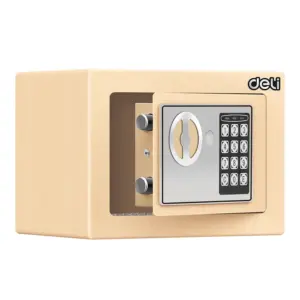
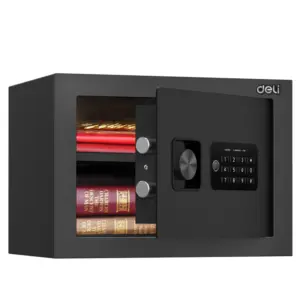
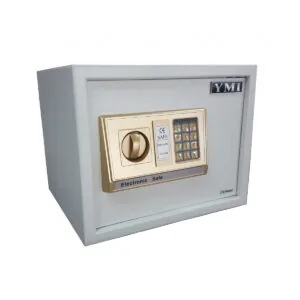
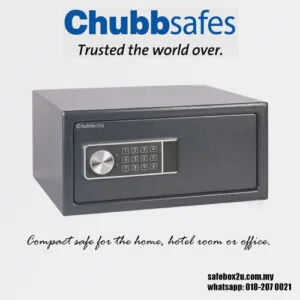
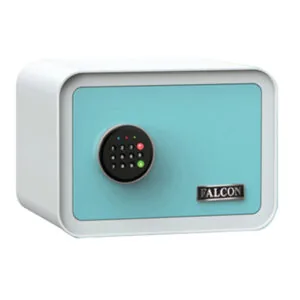
We carry 12 digital lock safes across three brands. YMI offers a practical entry-level option for basic home storage. Falcon covers a wider range — from the compact Cube Safe D23 for personal use, through the fire-resistant Solid Safe E series (H and V models in multiple sizes) for home and office document protection. Chubbsafes brings certified security at the higher end — the Air M-25 for compact office use, and the Viper series (35, 70, 90) which carries EN 14450 S2 and EN 15659 burglary and fire certifications. Browse the full range below or contact us to discuss which model fits your security needs. If you prefer a mechanical lock with no electronics, see our dial combination lock safes.
What happens if the battery runs out on a digital safe?
Most digital safes will give you a low battery warning before it fully dies — usually a beeping sound or an indicator light when you try to open it. If the battery does run out completely, many models allow you to temporarily power the keypad using a 9V battery held against external terminals on the outside of the safe, giving you enough power to enter the code and retrieve your items. Always keep spare batteries on hand and replace them as soon as you get the low battery warning. Check your specific model's manual for the correct battery type and emergency access procedure.
How do I change the PIN code on a digital safe?
The process varies slightly by brand and model, but generally involves entering the current PIN, pressing a reset or programming button, then entering the new PIN twice to confirm. This can usually be done without any tools and takes less than a minute. Refer to your model's manual for the exact sequence — we can also assist if you've lost your manual. It's good practice to change the PIN periodically or whenever access needs have changed, such as when a staff member leaves.
Is a digital safe less secure than a dial combination safe?
The lock type alone doesn't determine security — the body construction and certification rating matter far more. A well-built digital safe with a solid steel door and anti-tamper features is significantly more secure than a poorly built dial safe. The difference between digital and dial is mainly about convenience vs mechanical reliability. Digital locks are faster and easier to change codes on; dial locks have no electronic components that can fail. For serious security requirements, focus on the safe's certification rating — models like the Chubbsafes Viper series carry EN burglary and fire certifications regardless of lock type.
What if I forget my PIN?
If you forget the PIN, the safe will typically lock you out after a set number of incorrect attempts — usually 3 to 5 tries — and impose a time penalty before allowing further attempts. If the PIN is completely lost, you'll need to contact a locksmith or the manufacturer. Some brands allow dealers to assist with a master reset using the serial number and proof of ownership. This is why it's important to keep a record of your PIN stored securely elsewhere, and to register your safe with the manufacturer or dealer at the time of purchase.
What's the difference between a fire-resistant and non-fire-resistant digital safe?
A fire-resistant safe (like the Falcon Solid Safe E series) has insulated walls that protect the contents from heat damage for a rated period — typically 30 to 60 minutes at a specified temperature. This is important for storing paper documents, passports, and physical cash that would be destroyed in a fire. A non-fire-resistant safe (like the YMI D30N) provides physical security against theft but offers no protection if there's a fire. If you're storing anything irreplaceable, a fire-resistant model is worth the additional cost.
Can the safe be bolted to the floor or wall?
Yes — most of the safes we carry come with pre-drilled anchor holes in the base or back panel, and include anchor bolts for floor or wall mounting. Bolting the safe down is strongly recommended regardless of its weight, as an unbolted safe can be removed from the premises entirely and broken into at leisure. For smaller models like the Cube Safe or YMI D30N, anchoring is especially important since they're light enough to carry away easily.