
Magnetic writing board
Showing all 3 resultsSorted by price: low to high
About this section
A magnetic writing board does everything a standard whiteboard does — you write on it with dry-erase markers and wipe it clean — with one additional capability: the surface holds magnets. That means you can attach printed schedules, notices, reference sheets, or cards directly to the board surface alongside your written notes, without needing a separate pinboard or tape. It’s a small difference that makes a noticeable one in how practically useful a board is day-to-day.
We carry 11 magnetic writing boards across a wide range of styles and price points. Entry-level options include the classic Aluminium Frame White Board in multiple sizes and the compact Quartet magnetic boards and combination boards — some with themed designs suited for home or classroom use. At the premium end, the VIVO and VOVO boards offer upgraded writing surfaces for demanding office environments, and the Frameless Magnetic Glass Board brings a sleek, modern finish to boardrooms and executive spaces. Browse the full range below or contact us for a recommendation based on your space and usage.
-
Writing Board
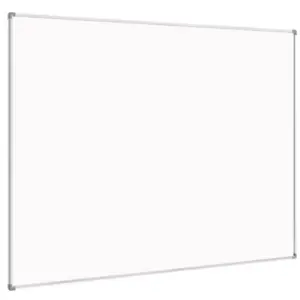
WriteBest Standard Whiteboard (Aluminium Frame)
Price range: RM18.30 through RM2,400.00 Select options This product has multiple variants. The options may be chosen on the product page -
Writing Board
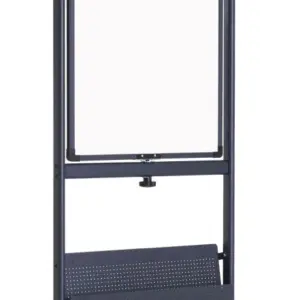
WriteBest Viva Mobile
Price range: RM690.00 through RM1,650.00 Select options This product has multiple variants. The options may be chosen on the product page -
Writing Board
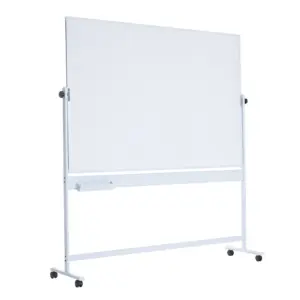
WriteBest Vovo Mobile
Price range: RM755.00 through RM4,395.00 Select options This product has multiple variants. The options may be chosen on the product page
What makes a writing board magnetic, and why does it matter?
A magnetic writing board has a steel-backed surface that responds to magnets. You can attach magnetic document holders, printed sheets, cards, photos, and notices directly onto the board surface without pins or tape. In a classroom, this means lesson materials and charts can be displayed alongside written notes. In an office, schedules, KPI sheets, or reference documents can be pinned to the board while the writing area stays free for notes and diagrams. Not all whiteboards are magnetic — standard melamine-surface boards are not, even if they look identical. If magnet functionality matters to you, always confirm the product is magnetic before purchasing.
What is a combination board?
A combination board — sometimes called a duo board — splits the board surface into two sections: one half is a magnetic whiteboard for dry-erase writing, and the other half is a fabric pinboard (cork or similar) for pinning paper notices, photos, and documents with push pins. The Quartet combination boards in our range follow this format. They're a popular choice for home offices, small businesses, and classrooms where both a writing surface and a display area are needed but wall space is limited — one board covers both functions.
What is the difference between VIVO, VOVO, and standard aluminium frame boards?
Standard aluminium frame whiteboards use a melamine or painted steel writing surface that is functional and cost-effective for general use, though the surface can develop staining or ghosting over time with heavy use. The VIVO and VOVO boards use a higher-grade writing surface — typically a porcelain-coated or premium steel surface — that is more durable, easier to clean fully, and maintains its writing quality over years of daily use without the surface degrading. They are also magnetic. The higher price reflects the longer service life and better surface performance, making them a worthwhile investment for meeting rooms and offices where the board is in constant use.
What is a magnetic glass board and who is it for?
A magnetic glass board replaces the traditional painted or porcelain writing surface with a tempered glass panel. The result is a completely smooth, non-porous surface that wipes perfectly clean every time — no ghosting, no staining, no marker residue left behind even after years of use. The frameless design also looks significantly more refined than a standard board, which is why glass boards are commonly chosen for boardrooms, executive offices, and client-facing spaces where appearance matters. The magnets used must be strong enough to grip through the glass panel — standard fridge magnets are usually too weak. Glass boards come in various sizes and colours in our range from RM560 to RM2,500.
How do I choose the right board size?
The general rule is to go slightly larger than you think you need — it's much more common to wish a board was bigger than to wish it was smaller, especially once you start using it regularly. For a personal desk or home office, a compact board in the 60×45cm range is adequate. For a classroom or small meeting room where multiple people need to read the board from a distance, 90×120cm or larger is more practical. For a full-size conference room or training room, 120×240cm or wider is the norm. Measure your available wall space first, then work backwards from there to find the largest board that fits comfortably with some clearance on all sides.
How do I prevent ghosting and keep the writing surface clean?
Ghosting — the faint shadow of previous writing that remains after erasing — is mainly caused by using low-quality markers, leaving writing on the board too long before erasing, or using a worn eraser. To minimise ghosting: use good-quality dry-erase markers, erase writing before it has been sitting for more than a day or two, and use a proper whiteboard eraser rather than a cloth or tissue. For deeper cleaning, a dedicated whiteboard cleaning spray removes residue that a dry eraser leaves behind. On premium surfaces like VIVO, VOVO, or glass boards, ghosting is far less of an issue — the surface density prevents marker from penetrating the coating.